August 2025 – present
STAUD
Retail Advisor · Le Bon Marché Rive Gauche
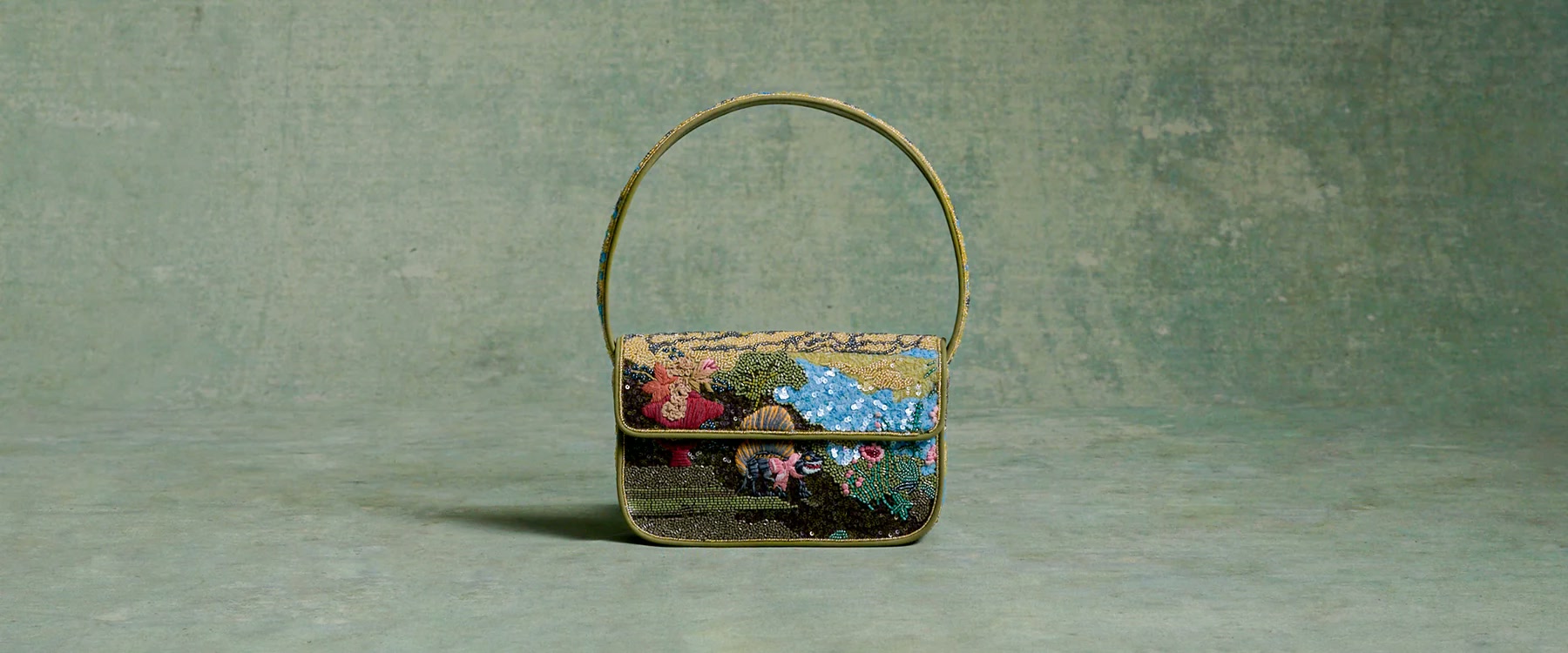
Founded in Los Angeles in 2015 by Sarah Staudinger and George Augusto, STAUD blends vintage-inspired silhouettes with California ease, and became an Instagram-born cult label through its sculptural, beaded and pearl bags. I represented the brand at Le Bon Marché Rive Gauche, one of the most prestigious department stores in Paris. Beyond the shop floor, I turned customer interactions into actionable brand insights: who shops the brand, what drives purchasing decisions and which products resonate most.
01
The Brand
California ease, architectural precision
STAUD started as a made-to-order label filling a gap for a high-end look at an accessible price, then grew into a full collection of ready-to-wear, shoes and iconic handbags. Its pearl-beaded bags and It-bags like the Shirley and Moreau turned it into a front-row and influencer favourite, stocked by retailers such as Harrods, Saks and Le Bon Marché.
- LA-based, founded 2015
- Known for pearl & beaded statement bags
- Vintage-inspired ready-to-wear, outside trend cycles
02
Visual Merchandising & Sales
A prestigious corner, adapted every day
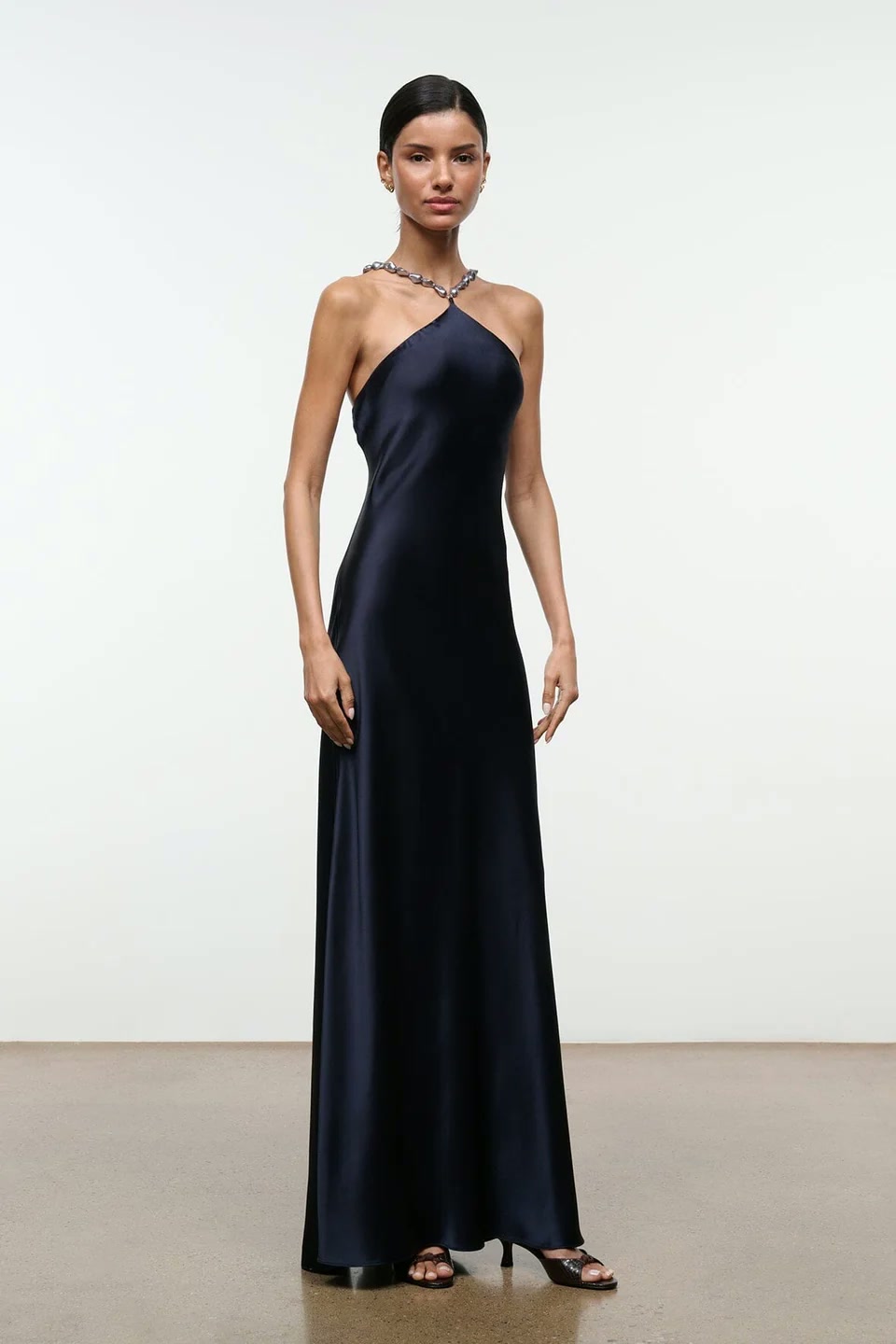
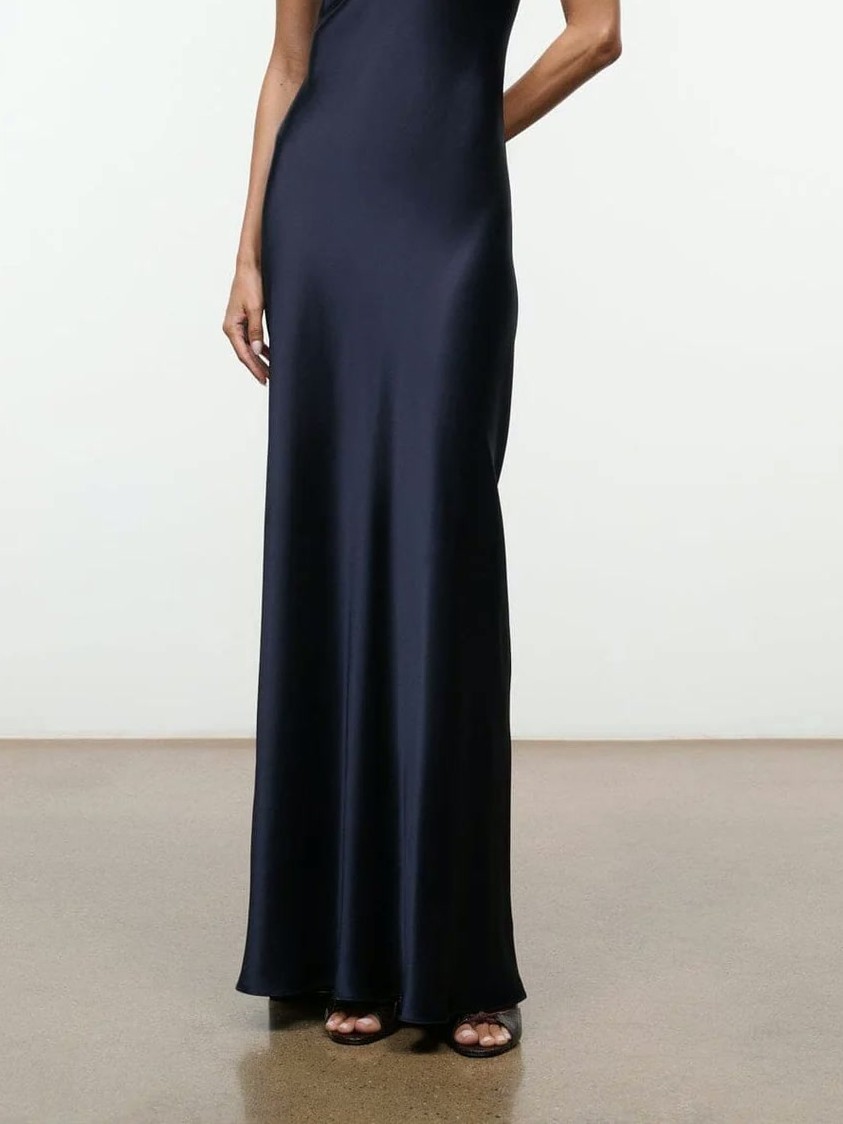
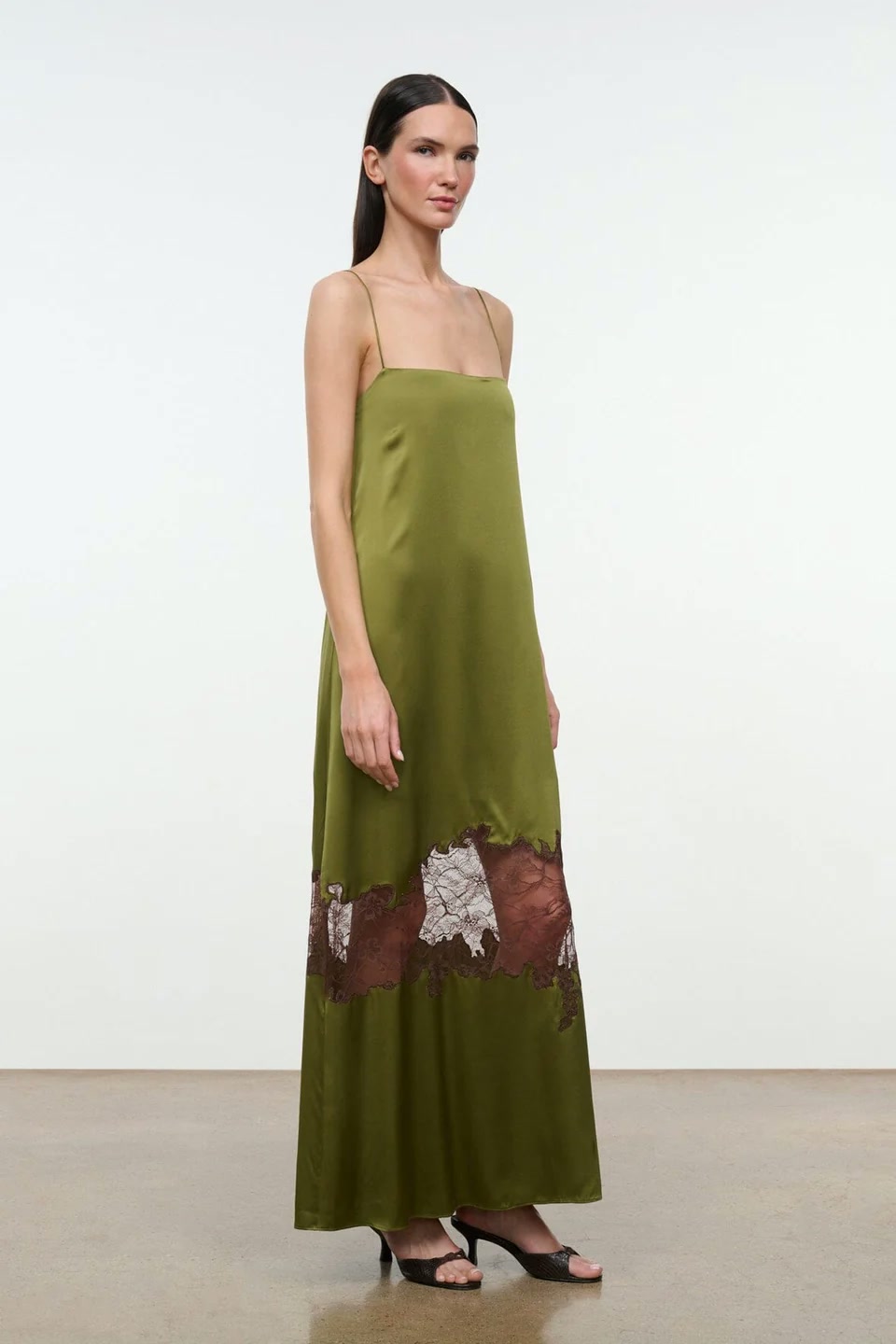
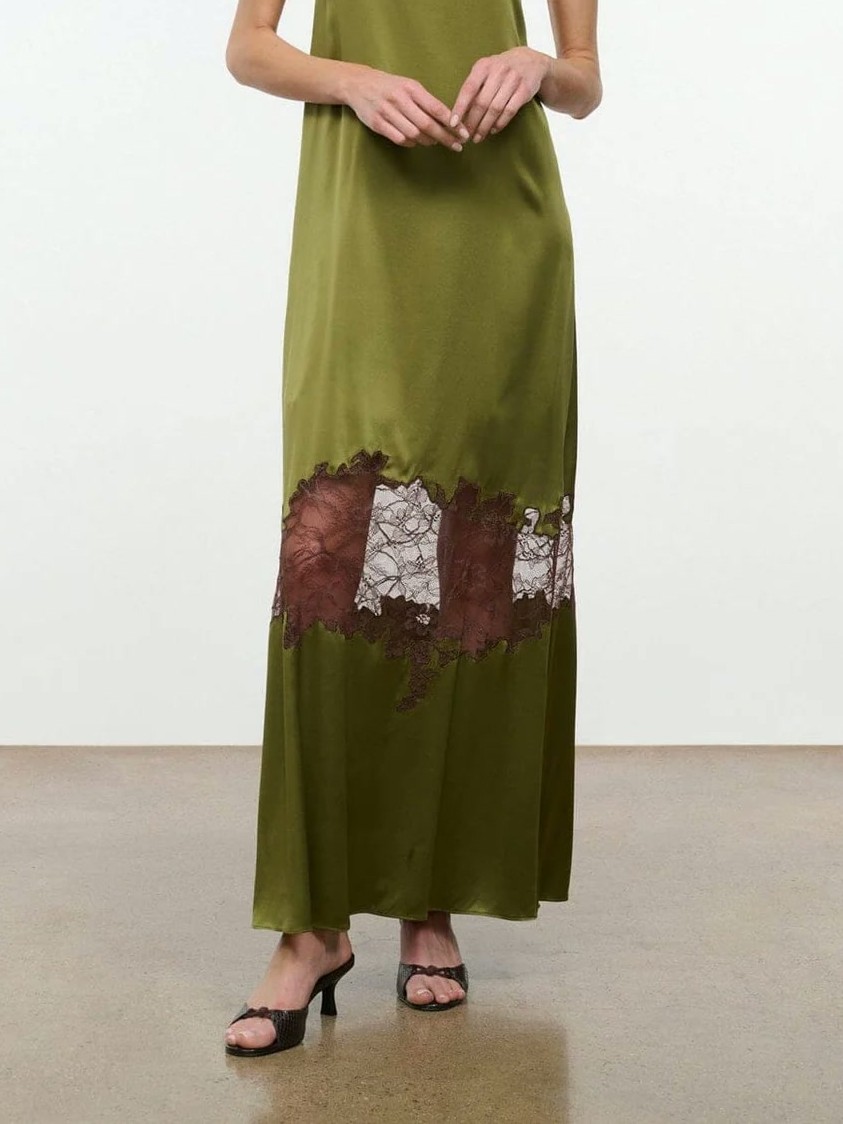
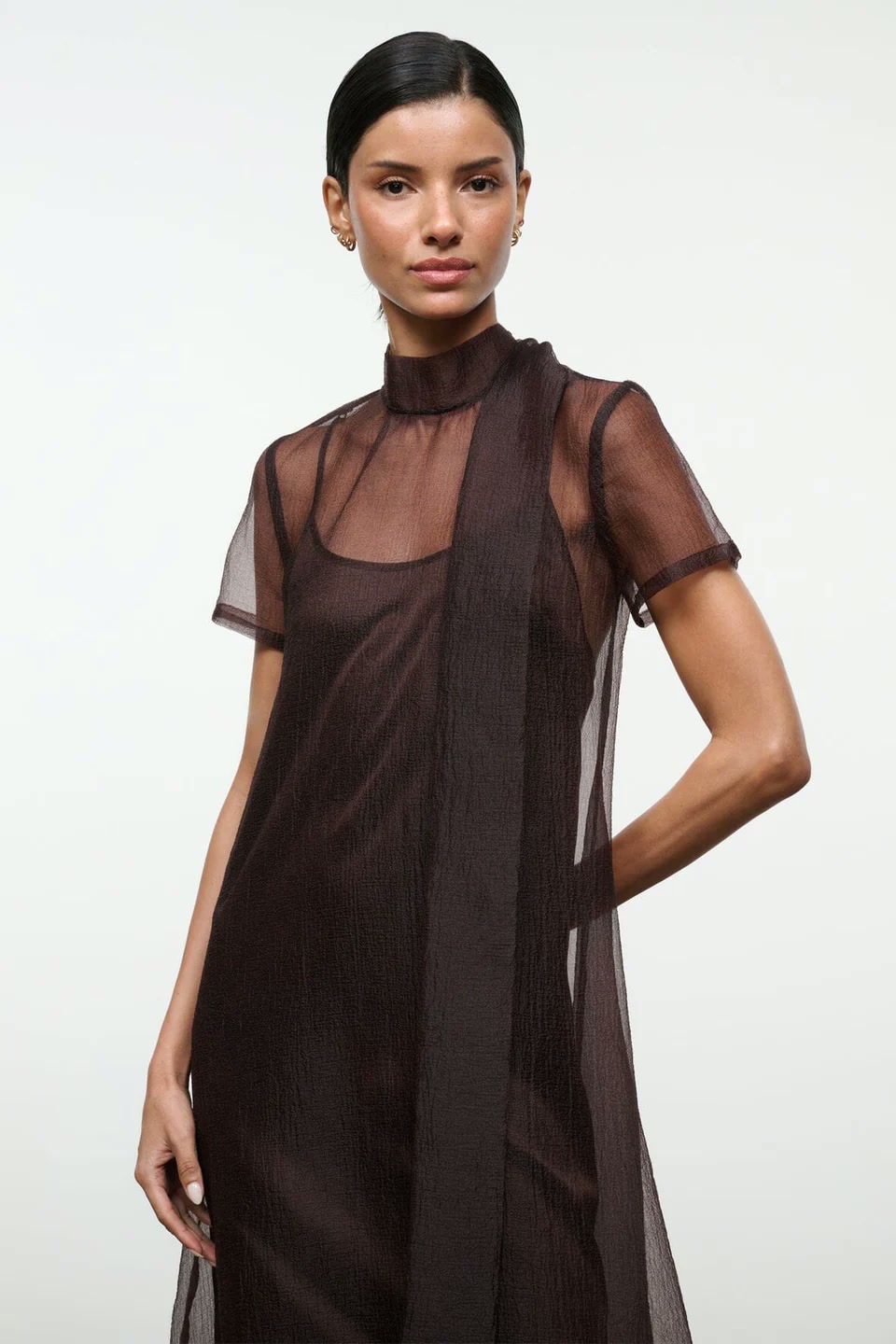
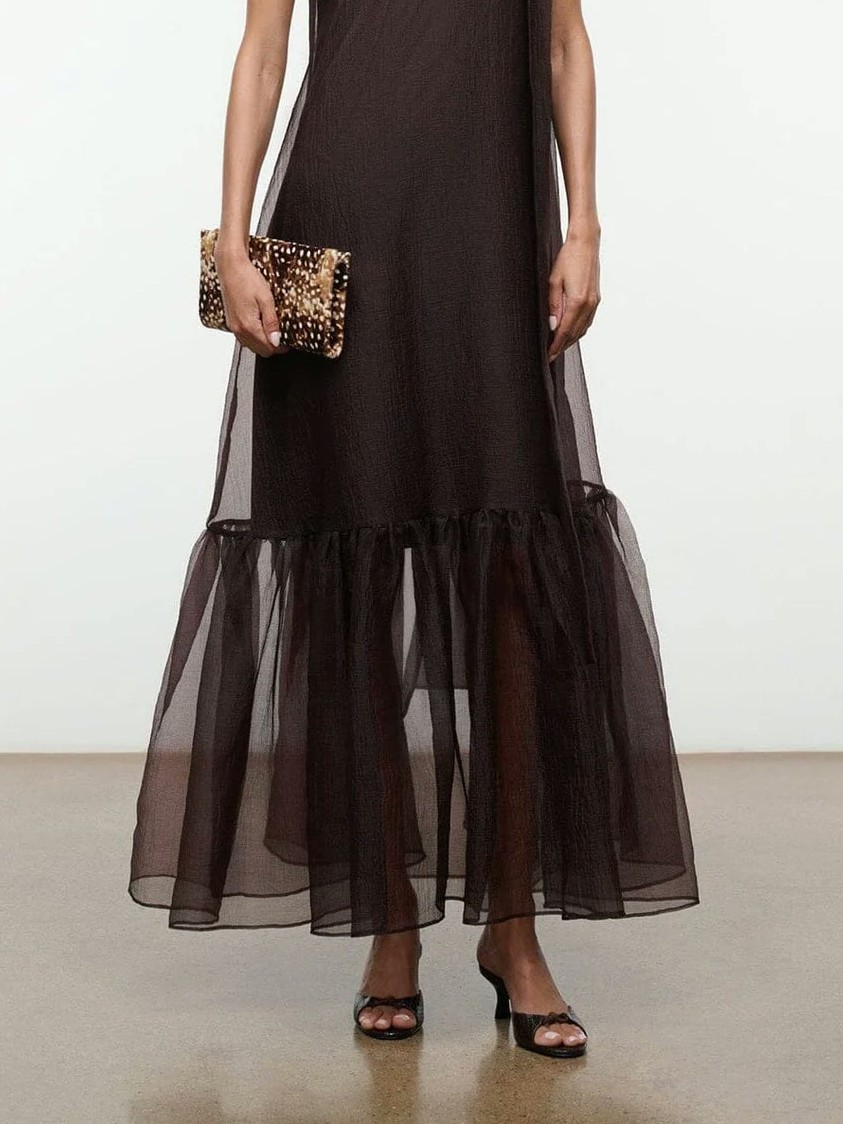
At Le Bon Marché, the corner has to match the level of the house. I reworked and adapted the visual merchandising to put hero products forward (dresses and pearl bags first) and converted that presentation into measurable sales through personalised, multilingual clienteling.
- Raised the visual merchandising standard
- Hero-product placement: dresses & pearl bags
- Closed sales on the floor
- Client advice in French, English & German
Customer Insights
Who buys? What do they want?
03
Understanding the Customer
Who buys the brand, and what drives their choices
Every client is a data point. Beyond selling, I profiled who buys STAUD in Paris and collected feedback on fit, design and pricing to understand purchasing behaviour and customer expectations.
- Customer profiling by age & geographical origin
- Identifying different customer segments
- Feedback on product fit, design & pricing
- Purchasing behaviour & customer expectations
Clients by origin
- American35%
- French30%
- European15%
- Middle East8%
- Asia5%
- Africa5%
Clients by age
- 18 – 2525%
- 26 – 4040%
- 41 – 6035%
A remarkably broad target audience: STAUD speaks to every generation
Sales & Performance
What sells? What performs?
04
Tracking Product Performance
Knowing what sells, and why
Monitoring sales KPIs, store traffic and best-selling products to identify high-performing categories and understand product demand across collections.
- Sales KPIs, store traffic & best-sellers
- High-performing categories & product references
- Customer preferences & product demand
- Purchasing patterns across collections
- Best-sellers: dresses, followed by the pearl bags
Brand & Merchandising
What should we communicate, select and reorder?
05
Turning Insights into Action
Connecting retail performance with brand decisions
Sharing customer feedback and sales observations with the brand team, so day-to-day retail insights could shape merchandising, assortment and future collections.
- Customer feedback & sales observations shared with the brand team
- Merchandising & assortment recommendations
- Opportunities for product adjustments & future collections
- Decisions based on actual customer demand
Business & Operations
Stock availability · Replenishment · Logistics · Coordination
06
From Reporting to Operations
Making retail insights work beyond the store
Regular reporting gave the brand team a clearer picture of store performance, customer expectations and product demand. Combining sales data with qualitative feedback helped identify replenishment needs, anticipate stock requirements and inform reordering decisions, supporting the coordination between retail, merchandising, logistics and the wider business.
- Replenishment needs & stock requirements
- Reordering decisions
- Coordination between retail, merchandising & logistics
- Product availability aligned with customer demand